
Why People Are Looking for Alternatives
Weight loss drugs have taken the world by storm, with Ozempic becoming a household name seemingly overnight. Many wonder if a simple weekly injection could truly unlock quick and effortless weight loss. Alongside the hype, though, there’s growing skepticism about the safety, cost, and long-term consequences of these pharmaceutical drugs.
This curiosity has sparked interest in natural alternatives, leading to the rise of berberine, frequently called “Nature’s Ozempic.” In this article, we’ll explore the science behind both Ozempic and Berberine, uncover some of the risks and benefits, and answer the big question: Is Berberine truly a natural rival to Ozempic?
What Is Ozempic and How Does It Work?
To understand why people call Berberine “Nature’s Ozempic,” first we need to understand what Ozempic actually is and how it works.
Ozempic is the brand name for semaglutide, a type of medication known as an incretin mimetic or GLP-1 receptor agonist. In simple terms, it mimics natural hormones that help the body manage blood sugar. As blood sugar levels rise, semaglutide stimulates the release of insulin. This process helps move sugar out of the bloodstream and into the cells, where it can be used for energy.
Appetite and Fullness Effects
Semaglutide also slows down how quickly the stomach empties. This contributes to a feeling of fullness and can reduce appetite, which is one reason why so many experience weight loss while taking it.
What Ozempic Was Originally Designed For
Originally, Ozempic was designed for patients with Type 2 Diabetes, who often struggle to produce enough insulin naturally. But in recent years, it has been used widely for weight loss–even among those who don’t have diabetes.
What Is Berberine?
Berberine is a natural compound found in various plant species, including Berberis vulgaris (barberry). It has a long history of use in traditional and complementary medicine, particularly in Chinese and Ayurvedic medicine, to treat a wide range of infections and metabolic disorders.
In traditional Chinese medicine, berberine is commonly prescribed for the treatment of type 2 diabetes, high cholesterol, and high blood pressure.
What the Research Suggests
Modern research has found that berberine may help lower low-density-lipoprotein or “bad” cholesterol levels, reduce blood sugar, and improve insulin sensitivity. These benefits have led to the popularity of berberine for the support of heart health, cholesterol management, and blood sugar control–and why some now call it “Nature’s Ozempic.”
Weight Loss: What Does the Evidence Say?
So, what does the evidence actually say about weight loss? Let’s break it down by each option.
Ozempic (Semaglutide)
-
Research into weight loss effects is ongoing, but the results are impressive.
-
One large clinical trial found that when combined with healthy lifestyle changes, participants lost an average of 34 pounds (about 15% of their body weight).
-
Weight loss typically begins to occur within the first couple of weeks of taking semaglutide drugs, largely due to its appetite-suppressing effects.
Berberine
-
Studies specifically relating to weight loss are still emerging, but the results so far show promise.
-
A review of 18 clinical studies found that berberine supplementation led to notable reductions in BMI and body weight.
-
It’s important to note: these effects tend to appear when berberine is taken consistently for at least eight weeks.
Both Ozempic and berberine show potential for supporting weight management, though they do so at different rates and to different degrees. But weight loss is just one part of the story, we also need to look closely at their broader health benefits and potential risks.
Benefits and Risks Compared
Ozempic (Semaglutide)
Benefits
-
Helps improve blood sugar control, making it highly effective for those with Type 2 Diabetes
-
Promotes weight loss by reducing appetite and slowing gastric emptying
-
Linked to a reduction in certain cardiovascular issues
Risks
-
Common side effects include nausea and vomiting, diarrhea, constipation, bloating and heartburn
-
Rare but serious risks of pancreatitis, vision changes, kidney issues, and thyroid tumors
-
High cost: without insurance coverage, treatment may exceed $1,000 per month
Berberine
Benefits
-
Helps improve blood sugar and insulin sensitivity
-
Promotes weight loss, often with gradual, steady results
-
Promotes healthy cholesterol and blood pressure management
-
Linked to additional benefits: such as potential anti-cancer effects, improved gut health, reduced inflammation, and antimicrobial properties
-
Affordable and accessible: a typical 60-day regimen costs around $40, with no need for insurance
Risks
-
Common side effects include nausea, abdominal pain, bloating, constipation, and diarrhea
-
Interacts with certain medicines such as cyclosporine
-
Not recommended for infants and pregnant or breastfeeding women due to potential buildup of bilirubin
The Bottom Line
Ozempic and other semaglutide drugs can offer powerful benefits–especially for people managing Type 2 Diabetes. But for those who prefer a natural, over-the-counter option for healthy weight and metabolic health support, berberine may be a promising alternative.
Berberine is cost-effective, plant-derived, well-researched, and widely-available. It may not deliver the dramatic results seen by semaglutide drugs, but it can offer a safe and balanced approach to wellness.
Before You Start: Key Reminders
-
Consult with your healthcare provider, especially if taking other medications
-
Be mindful of timing and dosage for best results
-
Understand potential side effects, even with natural compounds
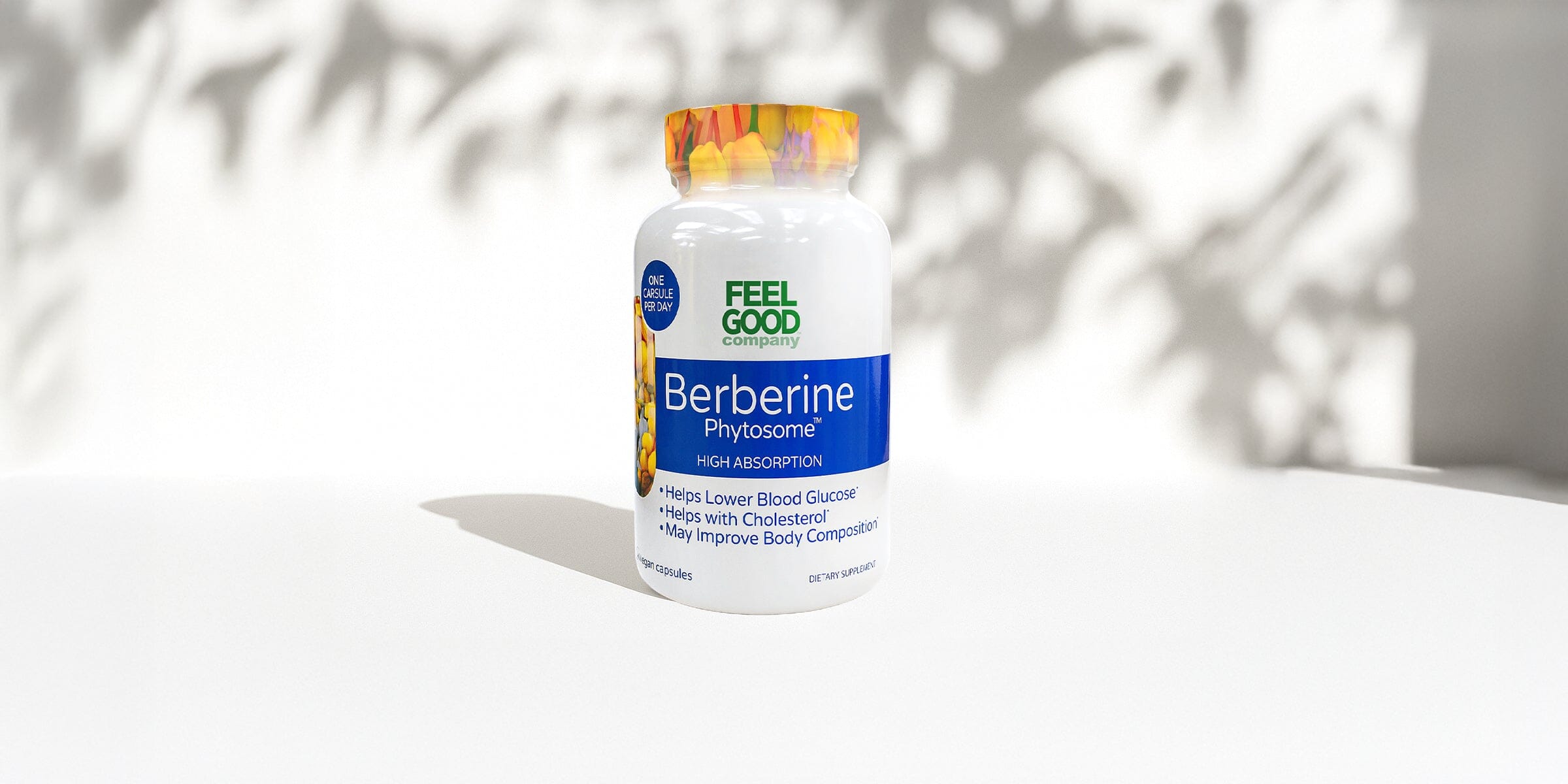
If you’re interested in trying berberine, our physician-formulated FeelGood Company Berberine is a great place to start. The formula is backed by science, designed for better absorption, and most of all trusted by many seeking effective health solutions.
By Delaney Gilmore, BSN, RN
